Gonorrhea Images
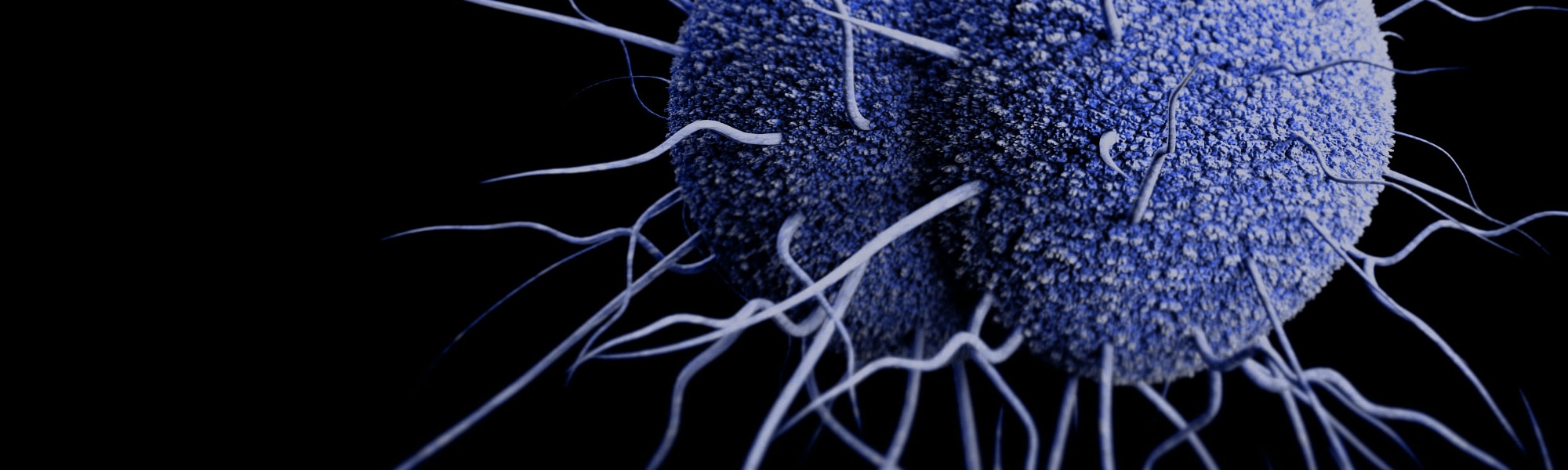
Gonorrhea is a bacterial infection caused by the organism Neisseria gonorrhoeae that is transmitted during unprotected sex. Gonorrhea is one of the oldest known sexually transmitted diseases. Among individuals who are infected with gonorrhea, 50% to 70% also will be infected with chlamydia, another type of bacteria that causes another STD. Stock Images by 72soul 1 / 244 Male gonorrhea, medical concept Stock Photography by KaterynaKon 0 / 0 STD - Sexually Transmitted Diseases acronym Stock Images by dizanna 0 / 0 Male gonorrhea, medical concept Stock Photography by KaterynaKon 0 / 0 Male gonorrhea, medical concept Stock Photos by KaterynaKon 0 / 0 Cefixime and azithromycin.
Gonorrhea Cutaneous gonococcal lesion caused by Neisseria gonorrhea bacterial infection that has spread throughout the body. Wiesner/Centers for Disease Control and Preventin (CDC) (Image Number: 6384) IncidenceGonorrhea is very common, having been known for centuries by the slang term “the clap.” It is worldwide in distribution, though the precise incidence is unknown because of self-treatment, undiagnosed cases, and defective reporting. The estimates that 62 million people are infected annually worldwide. Increases in gonorrhea infections occur occasionally, as has been the case particularly since the mid-1990s.
These increases have been attributed in part to the rise of drug-resistant N. Gonorrhoeae and to inconsistent safe-sex practices. The mortality from gonorrhea is negligible, but its indirect effects on the population by its not infrequent of both sexes are incalculable. Course of infectionThe incubation period of gonorrhea is usually 3 to 5 days (range 2 to 10 days). The first symptoms in the male are a burning sensation upon urination and a purulent urethral discharge that may be profuse or may be so meagre as to go unnoticed. In the absence of treatment, the infection usually extends deeper, to involve the upper urethra, the neck of the, and the. Urgency and frequency of urination and, occasionally, blood in the urine may follow.
Spontaneous recovery may occur within a few months to a year. Particularly among homosexual or bisexual men, rectal gonorrhea may appear with pain in the perianal area and a mucous coating on the stool. SymptomsThe initial symptoms in the female are, in most instances, so mild as to go unnoticed.
Ayakashi ghost guild brekkie. Slight vaginal discharge with burning may occur. The disease is not usually suspected by either patient or physician until complications arise or a sexual partner is infected. Abscess of a vulvovaginal (Bartholin) gland occurs rarely as an early complication. Many women recover spontaneously from gonorrheal infections that extend no farther than the (mouth of the ).
In many cases, however, the infection extends through the uterus to the and —a condition known as. Fever usually accompanies this extension, and lower abdominal pain is a prominent symptom. Pelvic abscess or may result. The symptoms can be confused with those of. Healing occurs without resort to surgery in most cases, often with some physical disability and sterility. In immature girls the infection is usually confined to the. Get exclusive access to content from our 1768 First Edition with your subscription.N.

Gonorrhoeae can sometimes enter the bloodstream, causing disseminated gonococcal infection (DGI) in virtually any organ system. In both male and female, is the most common of DGI.
The process usually settles in one or two joints and may result in permanent disability in the absence of treatment. Involvement of the tendon sheaths in the region of the affected joint or joints is not uncommon. Other, very rare, complications of gonorrhea are iritis (inflammation of the ), and skin lesions. Diagnosis and treatmentis established by of a sample of urine or discharge.
Treatment is with. In the past, infection was treated with either or, and one injection usually was sufficient to cure uncomplicated gonorrhea. In the 1970s, however, strains of gonococci to penicillin or tetracycline emerged. Thus, fluoroquinolones such as ciprofloxacin, the aminocyclitol antibiotic spectinomycin, and such as became increasingly used as for eliminating N.
Some strains of the bacteria, however, later developed resistance to fluoroquinolones, and eventually multidrug-resistant strains appeared. In the early 2000s, evidence of cephalosporin-resistant N. Gonorrhoeae emerged.In many places, the recommended approach to treating gonorrhea centres on dual drug therapy. Which drugs are used in dual therapy is determined in part by which drug-resistant strains are prevalent in the geographical region where infection was acquired and in some cases by whether there exists a likelihood of coinfection (such as with Chlamydia trachomatis, a bacterium that causes nongonococcal ). An example of a dual therapy that is used in the United States is the administration of a cephalosporin, such as cefixime or ceftriaxone, in combination with azithromycin (a antibiotic) or doxycycline (a tetracycline antibiotic). This approach is used regardless of whether coinfection has been ruled out.
Isolates of N. Gonorrhoeae are routinely collected from patients and tested for antibiotic susceptibility, thereby the detection of new drug-resistant strains.The administration of small doses of antibiotics sufficient to cure gonorrhea may mask the early of coexisting and delay its diagnosis. An part of the treatment of gonorrhea, therefore, is the so-called follow-up—a for syphilis at least once a month for four months. This article was most recently revised and updated by, Senior Editor.